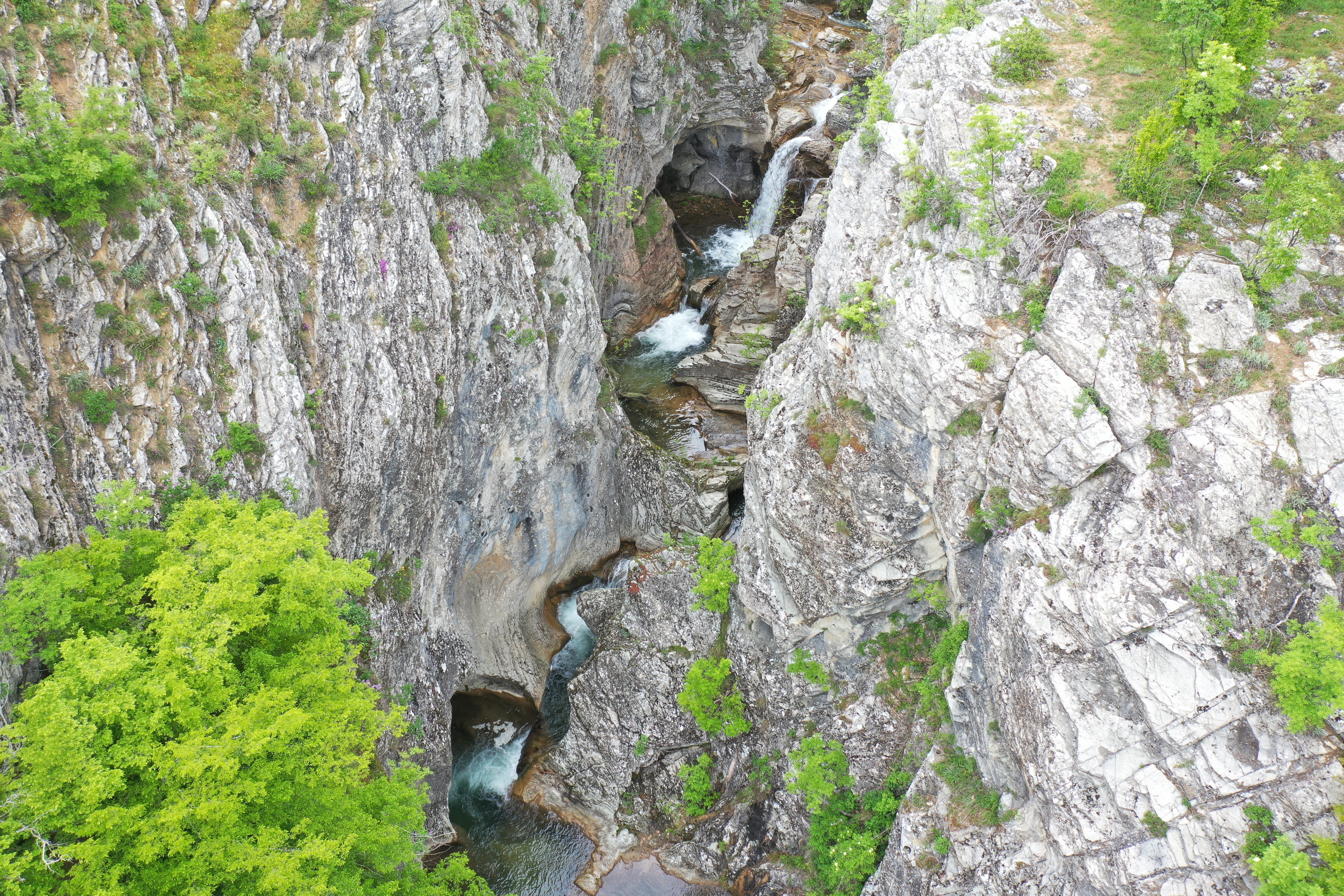
The Association for the Preservation of Bulgarian Geodiversity (APBG) plays a key role in the development of geotourism in Bulgaria and in implementing long-term sustainable development strategies through the promotion of geological heritage. Read More →
Development Timeline
Integration of the Bulgarian geological community into European efforts for geological heritage assessment, including hosting the ProGEO conference in 1998, where the UNESCO Geoparks Initiative was officially announced.
Development of a Register and Cadastre of geological phenomena in Bulgaria under a mandate from the Ministry of Environment and Water.
Creation of a website with data on the most famous Bulgarian geotopes under a project by the Ministry of Education and Science.
Promotion of Bulgarian geological heritage through public campaigns and publications in domestic and foreign media.
Development of geoparks in territories with remarkable geological heritage:
- Iskar Canyon Geopark (2002-today)
- Belogradchik Rocks Geopark (2009-2015)
- Rila Geopark (2014-today)
- East Balkan Geopark (2022-today)
- Pomorie Geopark (2023-today)
- Pobiti Kamani Geopark
Analysis and Perspectives
The analysis of the period following the announcement of the GEOSITES (Anon., 1995) and GEOPARKS (UNESCO Geoparks Programme, 1999) programs, with the inclusion of Bulgarian geo-conservation in ProGEO initiatives, leads to the following main conclusions:
- • Geological heritage possesses enormous potential for stimulating the local economy and ensuring sustainable development of regions through geotourism and other forms of sustainable tourism;
- • Mass campaigns such as "The New Seven Wonders of Nature" and "Wonders of Bulgaria" show that the Bulgarian vote clearly prioritizes geological heritage over cultural and spiritual heritage;
- • Geological landmarks, as a rule, remain outside state measures for economic stimulation of tourist destinations, in favor of cultural-historical heritage sites;
- • The rich experience accumulated over the past 25 years can be used for the global promotion of Bulgaria's natural landmarks.
Mission and Strategy
Our Mission
Preservation of Bulgaria's geological heritage in accordance with the principles of the International Geoscience and Geoparks Programme (IGGP) and its utilization for improving the socio-economic condition of regions through geotourism.
Strategic Goals
Implementation of IGGP policy on the territory of Bulgaria through its two main statutory activities: The International Geoscience Programme and UNESCO Global Geoparks
Updating the Register and Cadastre of geological phenomena in Bulgaria
Expanding the national list of geotopes through scientific description and expert assessment of new sites
Development of a national network of geoparks and their nomination as UNESCO Geoparks
Development of visitor centers in small and medium-sized settlements with museum collections of rocks, minerals, and fossils, and educational materials on local geology